 The Painkalac Project exists because of an organisation with a quietly radical idea. BioDiversity Legacy is a not-for-profit charity with a simple but powerful mission: to enable communities to own and steward land for nature, permanently and on their own terms.
In a country where conservation land is increasingly under pressure, and where the gap between what communities want to protect and what governments and developers will allow is growing, BioDiversity Legacy offers a different path. Rather than campaigning from the outside, they step in as the legal entity that can hold, lease or own land on behalf of a community, removing it from the development pipeline and placing it in trust for future generations.
How the model works
BioDiversity Legacy does not manage land from a distance. Their approach is to work with local communities to establish stewardship groups, people with deep knowledge of and connection to a place, who take on the day-to-day responsibility for caring for the land. BioDiversity Legacy provides the legal framework, governance support and organisational infrastructure that makes community-led stewardship viable over the long term.
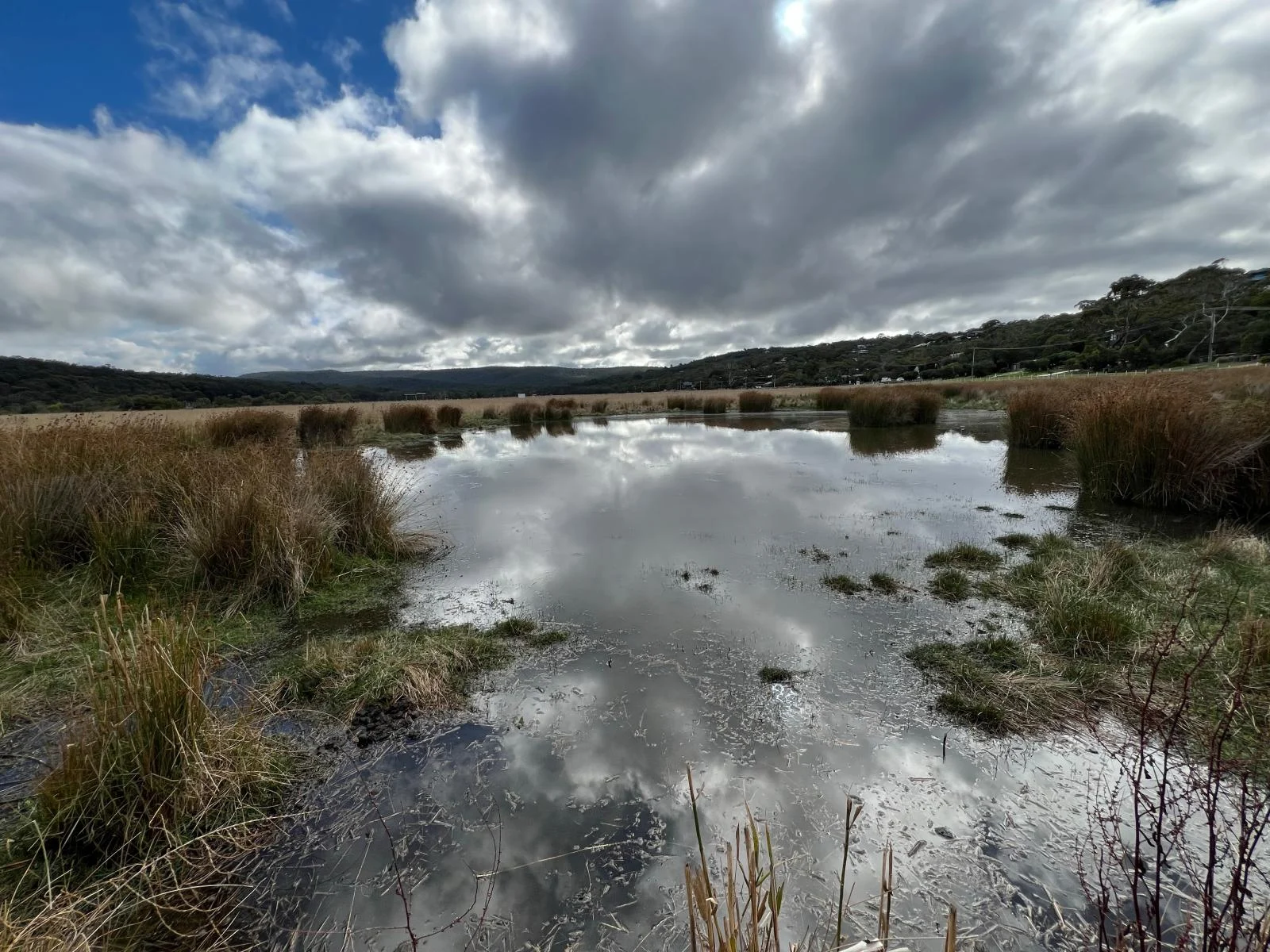
This is precisely what happened in the Painkalac Valley. When an extraordinary donation from local community members Lecki Ord and Ian Godfrey made it possible to take over the lease of the 29.5 hectare Lot 3, BioDiversity Legacy became the leaseholder, while the Painkalac Project was established as the local stewardship group responsible for restoration planning and on-the-ground management. The two organisations work in partnership, each doing what it does best.
Why this model matters
Conservation in Australia has traditionally relied on government reserves, national parks and privately held land under voluntary agreements. Each of these has limitations. Government priorities change, funding fluctuates, and voluntary agreements depend on the goodwill of individual landowners. Community-led stewardship through an organisation like BioDiversity Legacy offers something more durable: a permanent, legally protected commitment to a place, held by the people who love it most.
The model also recognises something that ecologists and Traditional Custodians have long understood: that healthy country needs people who are genuinely connected to it. Not just scientists or land managers visiting periodically, but communities with a stake in the outcome, who will show up season after season, year after year, to do the quiet and unglamorous work of restoration.
For the Painkalac Valley, BioDiversity Legacy’s involvement means the land cannot simply be sold to a developer when circumstances change or a lease expires. The community’s investment in this place, in time, knowledge, labour and love, is protected.
A replicable model
The Painkalac Project is one of a growing number of community stewardship initiatives that BioDiversity Legacy supports across Australia. Each is different in its ecology, its community and its challenges, but all share the same foundational belief: that the best custodians of a place are the people who belong to it.
As pressure on natural landscapes intensifies, that belief is not just inspiring. It is increasingly essential.