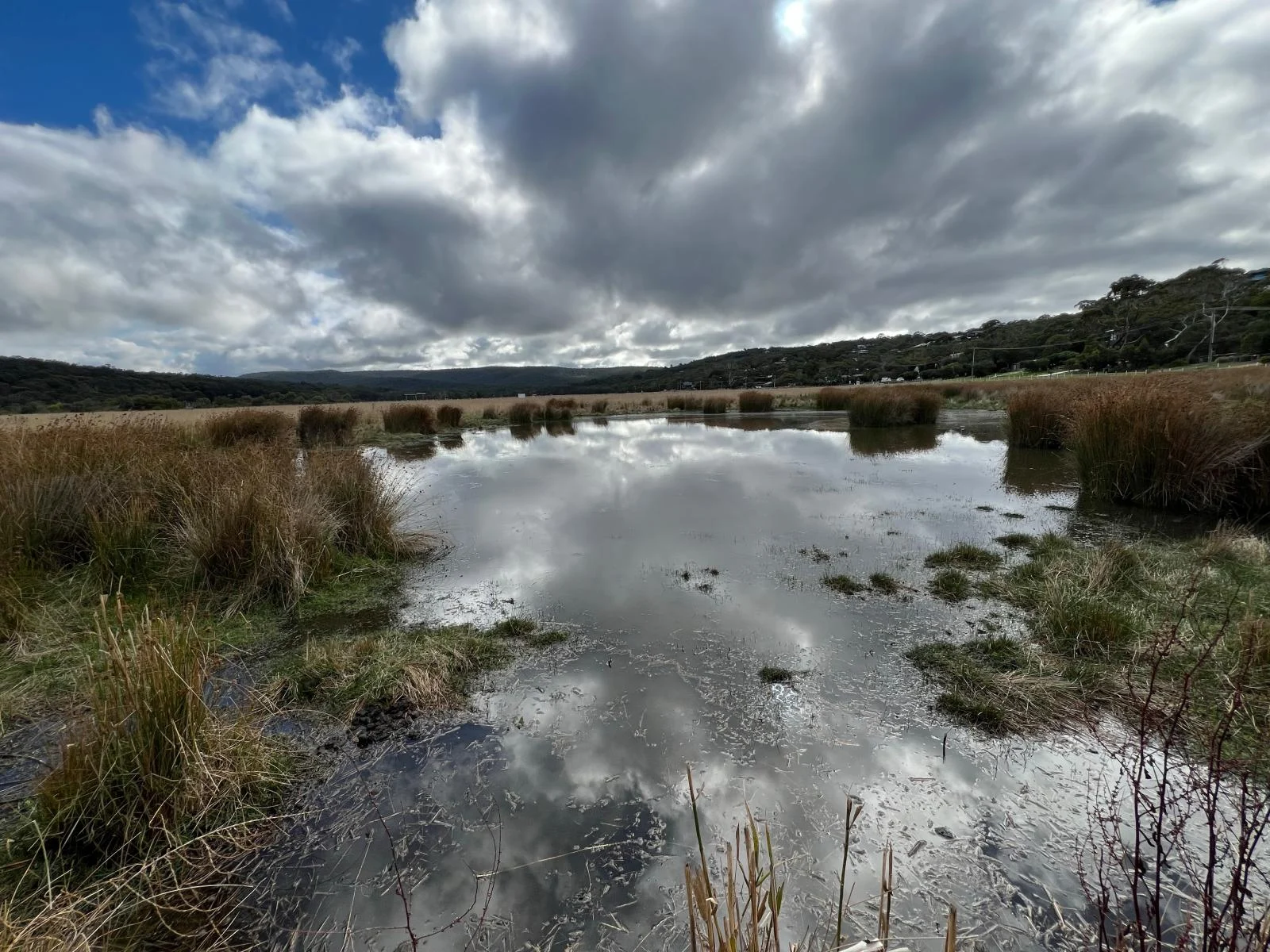
One of the most compelling reasons to restore the Painkalac Valley is already living there. Recent surveys have confirmed the presence of several rare and threatened species in and around the valley’s wetlands, swamp and coastal dunes, making this one of the most ecologically significant small landscapes on the Great Ocean Road.
The Painkalac Project aims to protect and expand habitat for these remarkable creatures while creating a continuous wildlife corridor connecting the Great Otways National Park to the estuary, wetlands, Mellors Swamp and the coastal sand dunes at Split Point. For many of these species, that corridor could be the difference between local survival and local extinction.
Who lives here
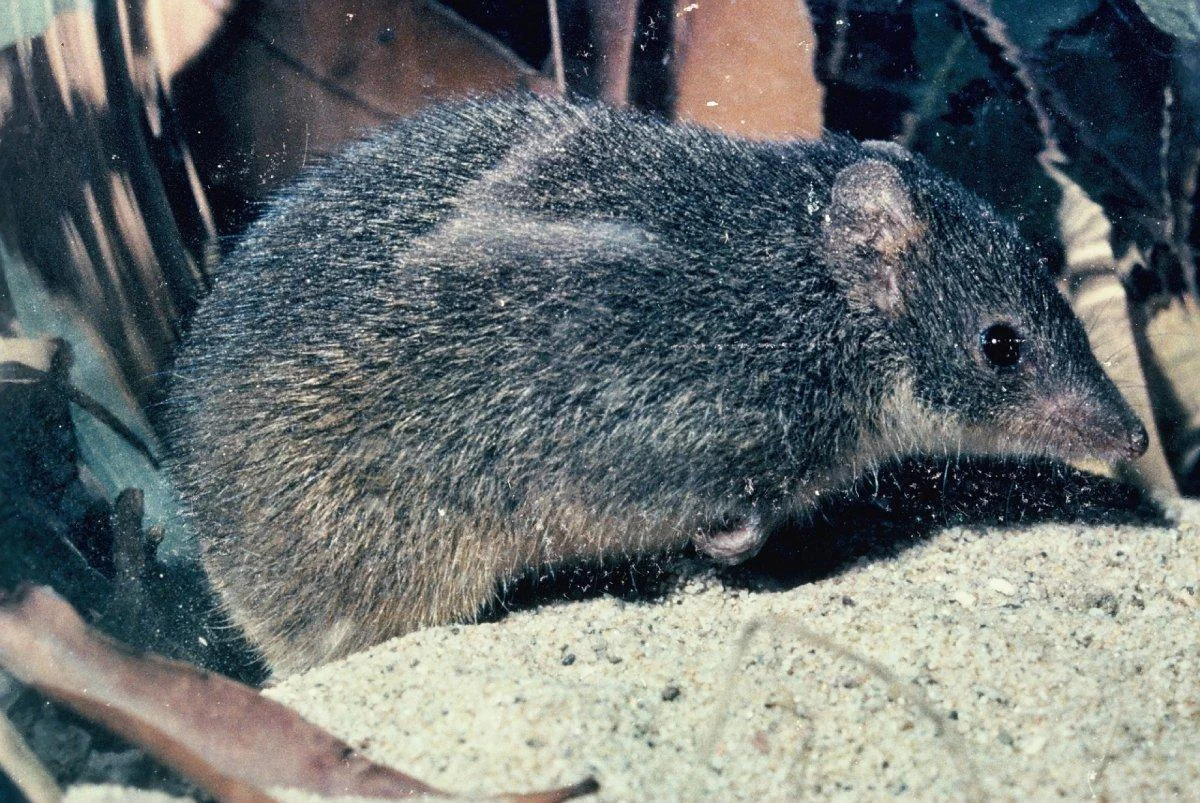
The Swamp Antechinus, a tiny carnivorous marsupial, has been recorded in Mellors Swamp with evidence of a healthy, breeding population confirmed by recent trapping and survey cameras.
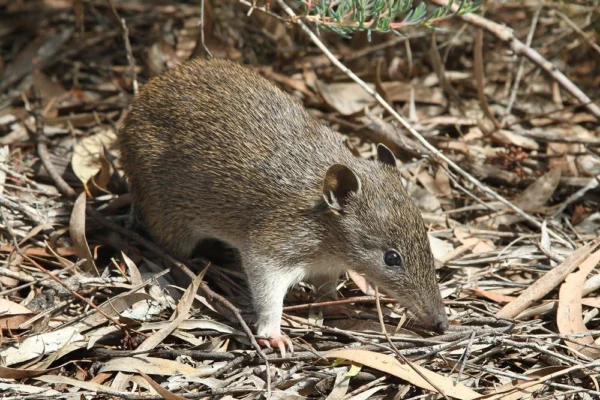
The Southern Brown Bandicoot, recognisable by its long tapering snout and the distinctive cone-shaped holes it leaves while foraging, it is a telling sign of healthy habitat.
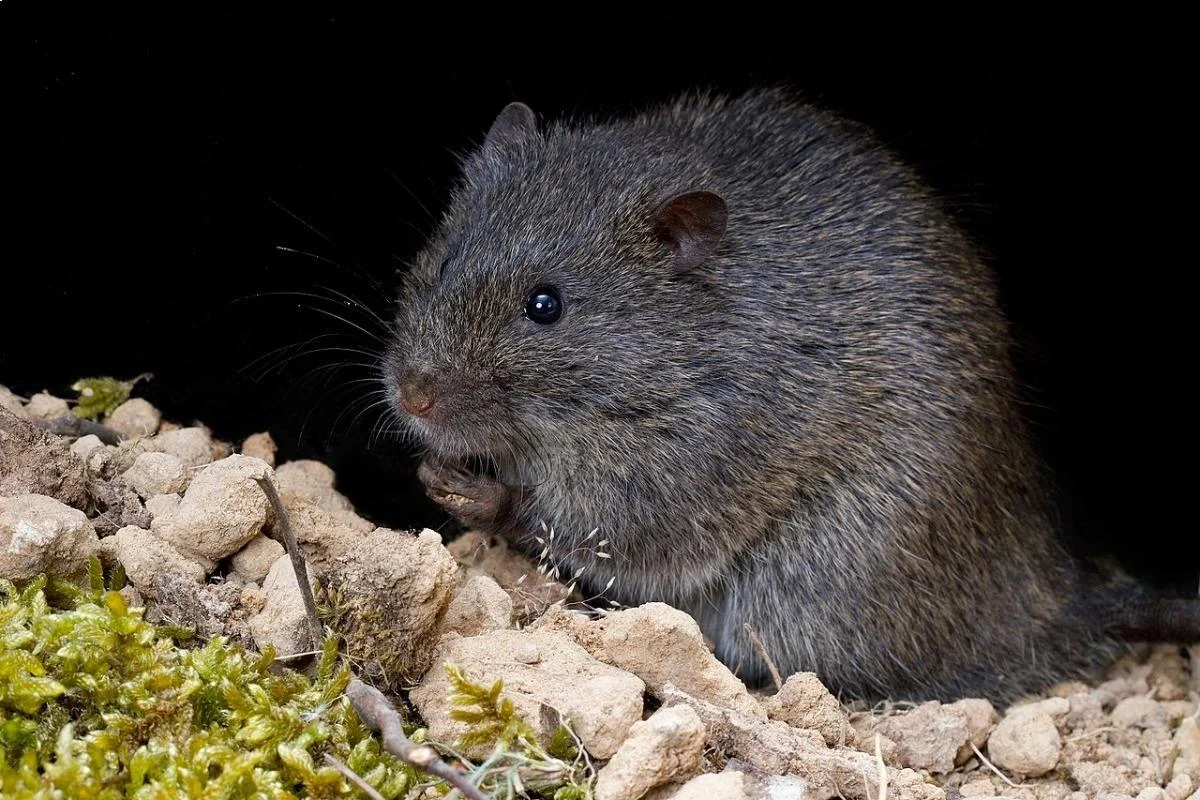
The Broad-toothed Rat, a specialist herbivore and threatened species, feeds on the sedges and grasses that thrive in the valley’s wetland margins.
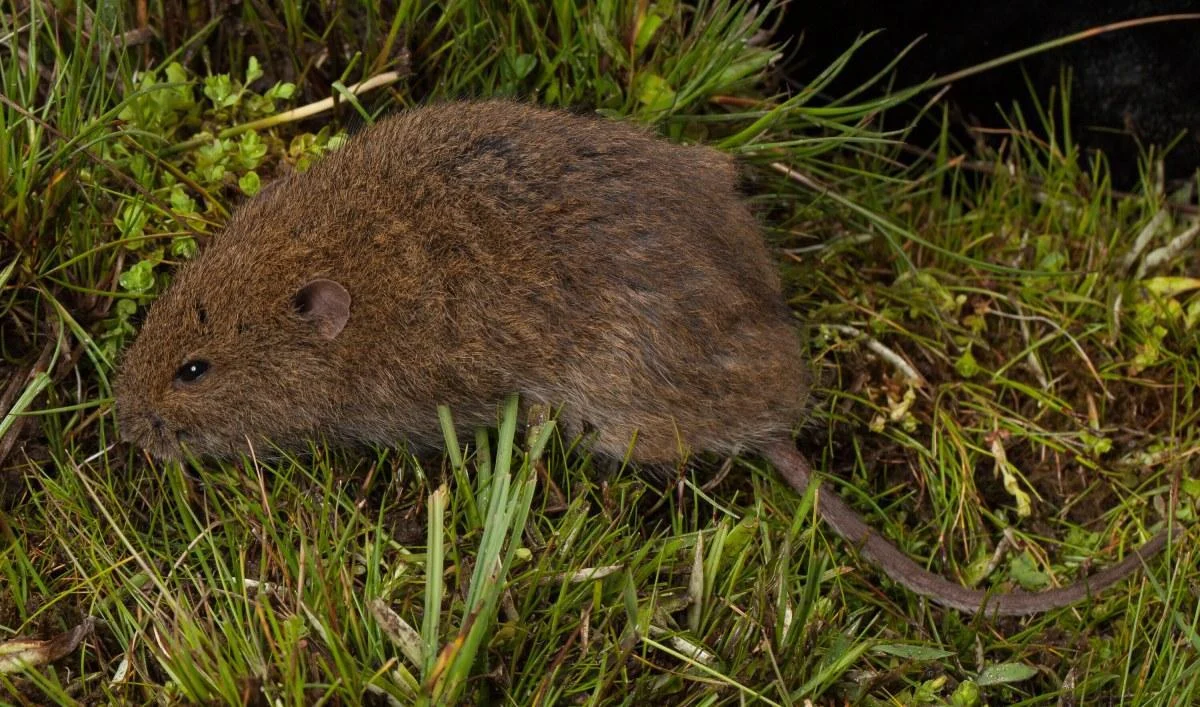
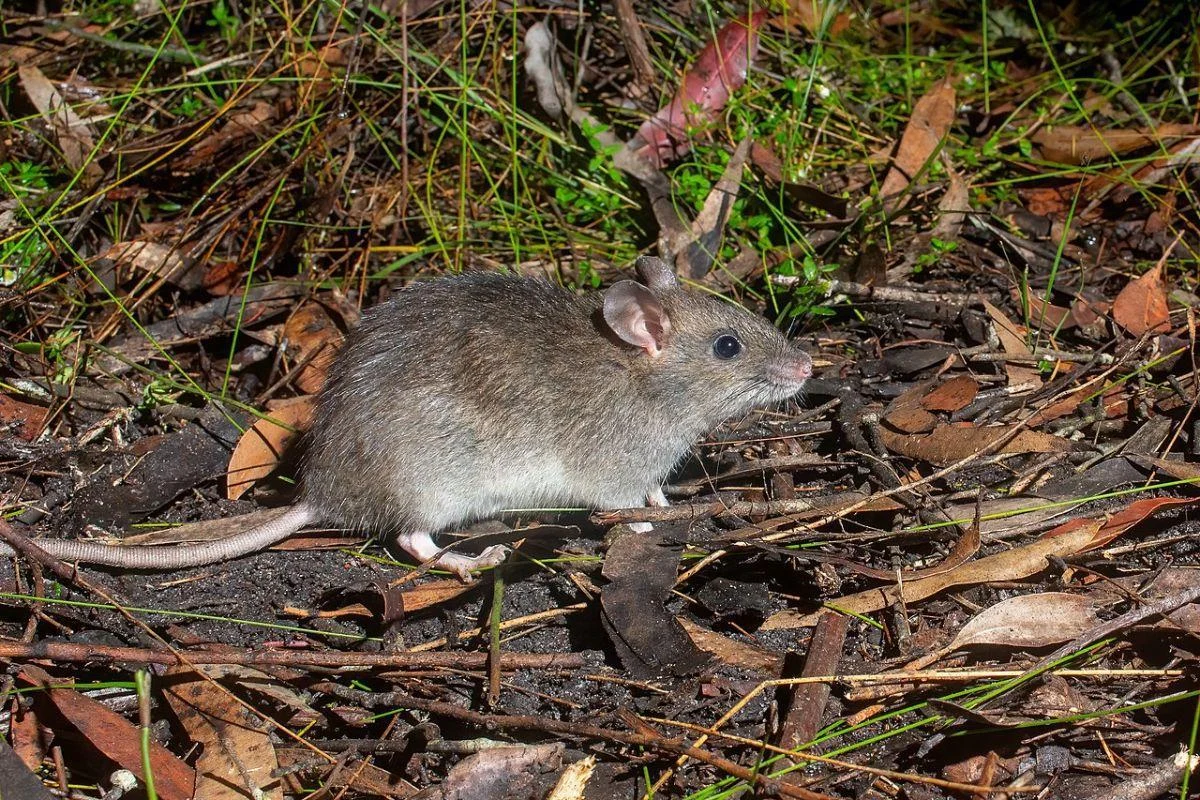
The Swamp Rat and Bush Rat, native rodents that have been present in Australia for around a million years, are well adapted to the valley’s reed beds and swamp grasses.
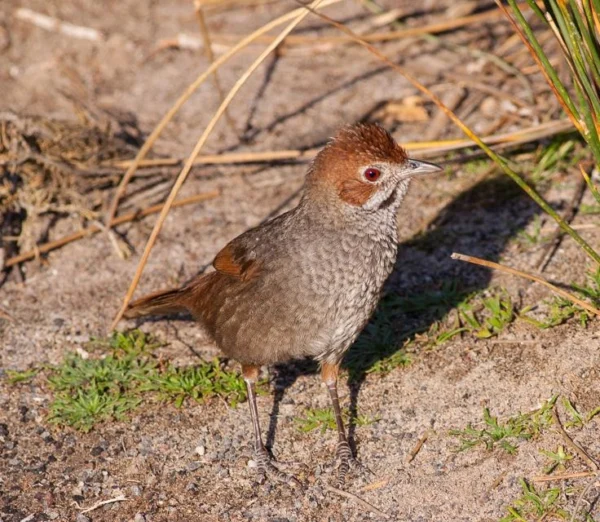
The Rufous Bristlebird; the Surf Coast is one of the last places in the world where this small, ground-dwelling bird can be found, and the dense understorey of the valley provides exactly the habitat it needs. Prone to predation by cats and foxes, its survival depends on healthy, connected vegetation and active predator control.
New discovery
In an exciting recent development, the White-footed Dunnart has been recorded at two locations in the valley. This small, nocturnal marsupial is rarely detected, and its presence is a significant find, suggesting the valley is an important wildlife refuge and can support a greater diversity of threatened fauna than previously confirmed.
A Stopover for an International Traveller
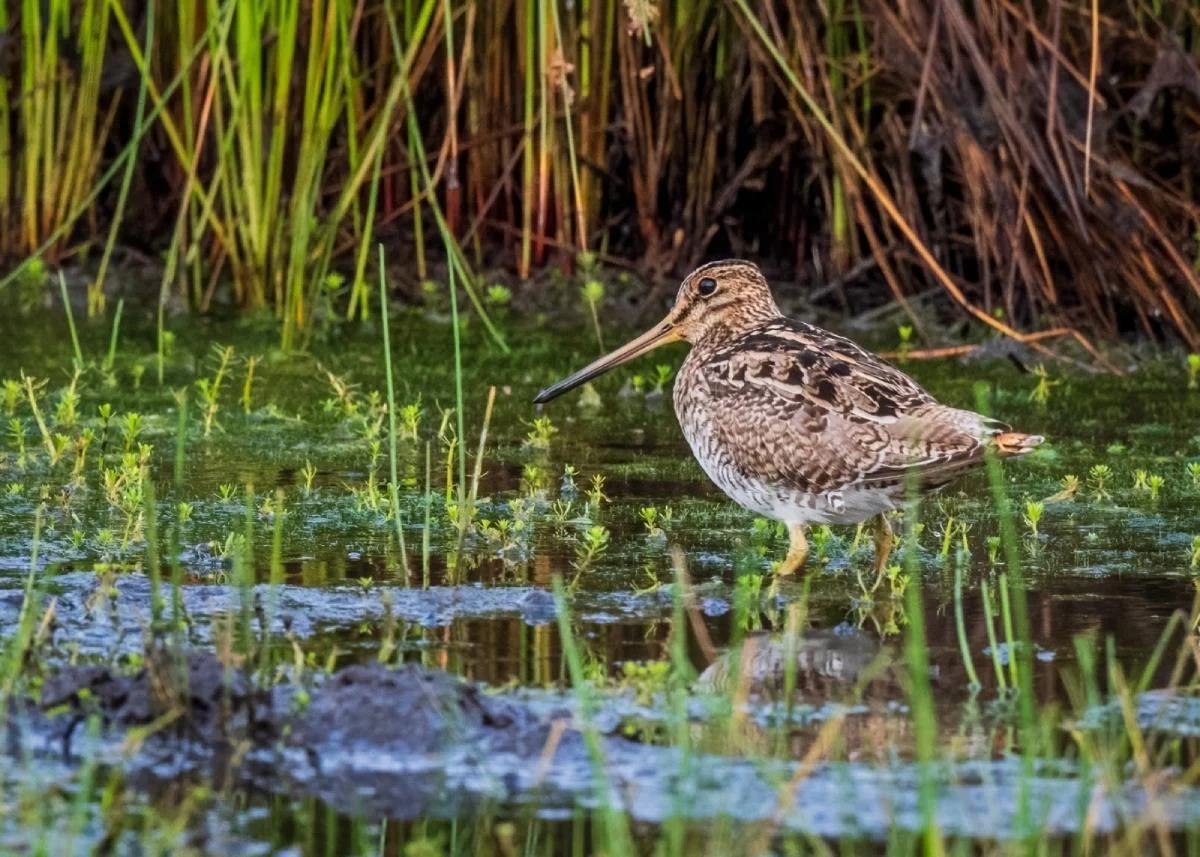
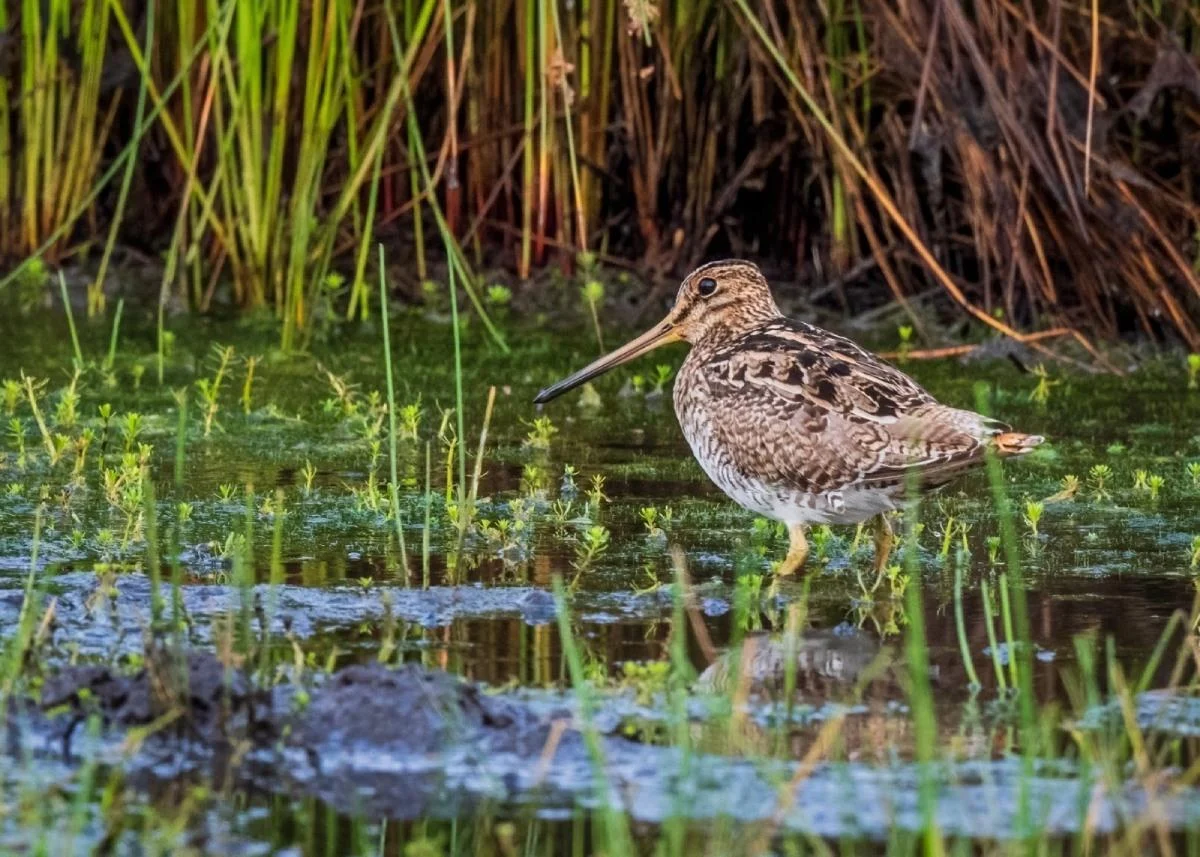
The valley is also visited seasonally by Latham’s Snipe, a threatened migratory shorebird that travels from its breeding grounds in Japan and Russia to spend the non-breeding season in southern Australia. The Painkalac wetlands provide important foraging habitat for this long-distance traveller, whose global population is in decline. Their annual presence is a reminder that the health of this small valley is connected to ecosystems far beyond our shores.
Restoring Habitat, Strengthening Biodiversity
Many of these species face ongoing threats from habitat loss, fragmentation, introduced predators and environmental weeds. By restoring native vegetation and rebuilding ecological connections across the valley, the Painkalac Project will help create the conditions these animals need to survive and prosper.
The vision is simple but ambitious: a healthy, connected landscape where wetlands, grasslands, woodlands and coastal habitats once again function as a thriving ecosystem, supporting native wildlife from the Otways to the sea for generations to come.
The wildlife is already here. Our job is to give it habitat to flourish.